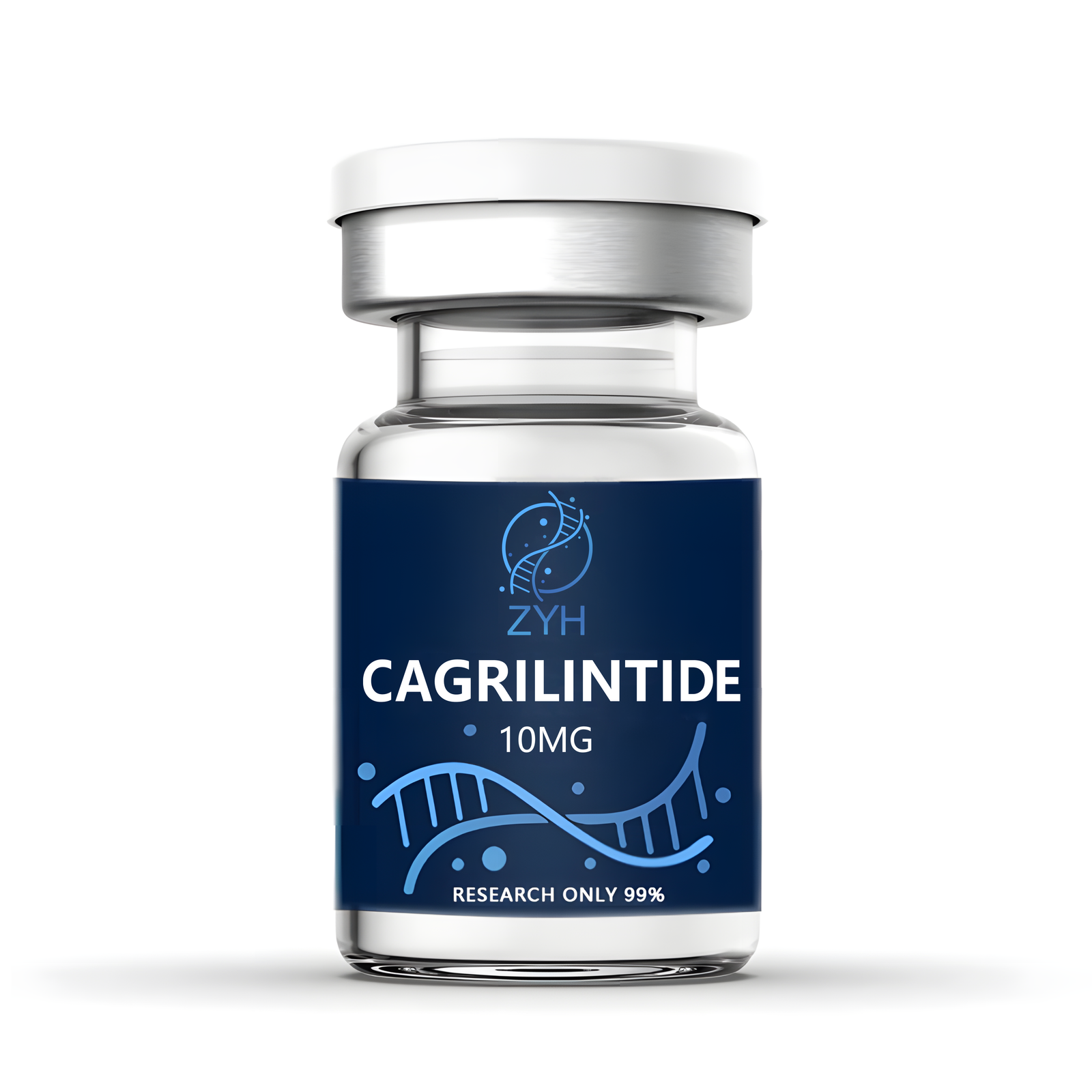
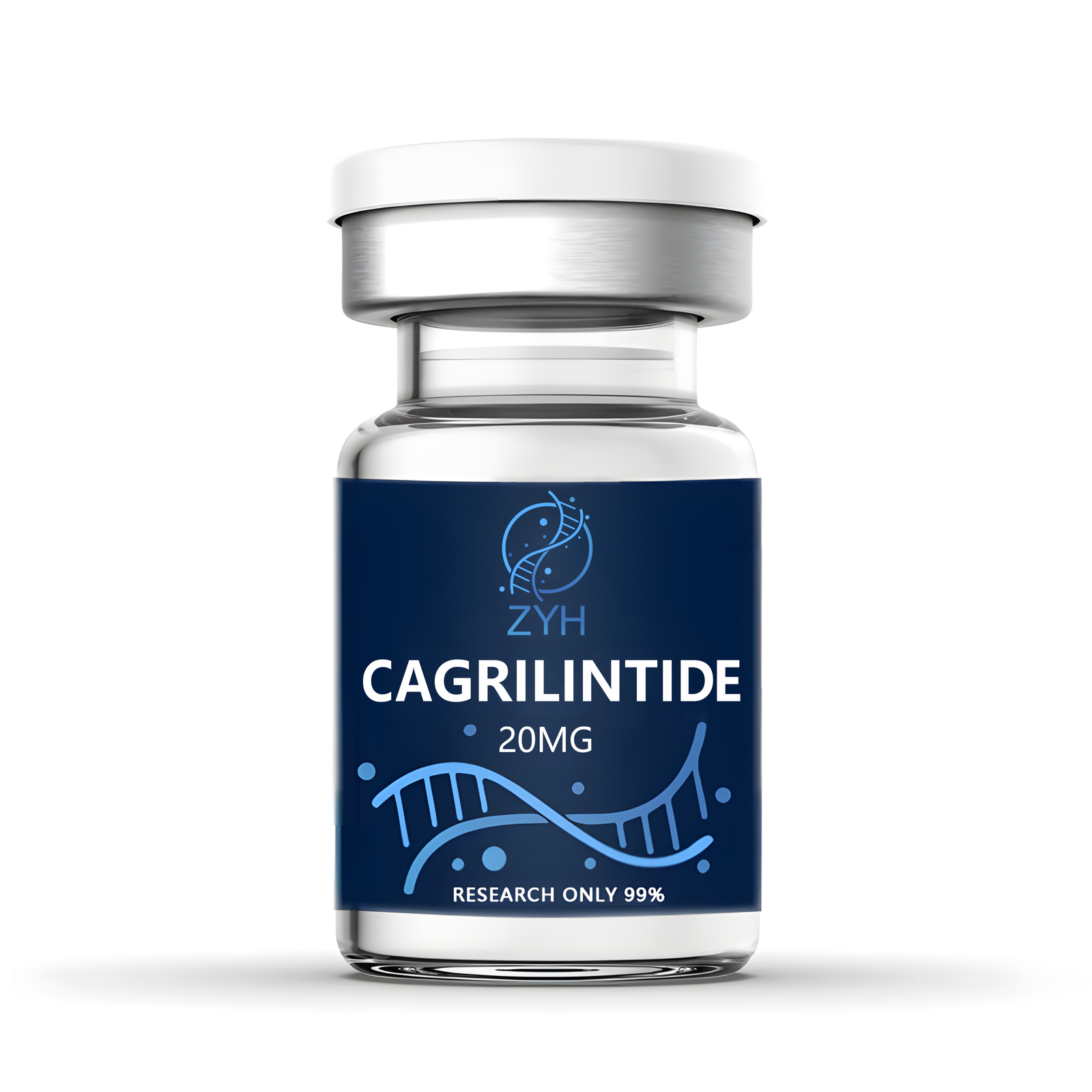
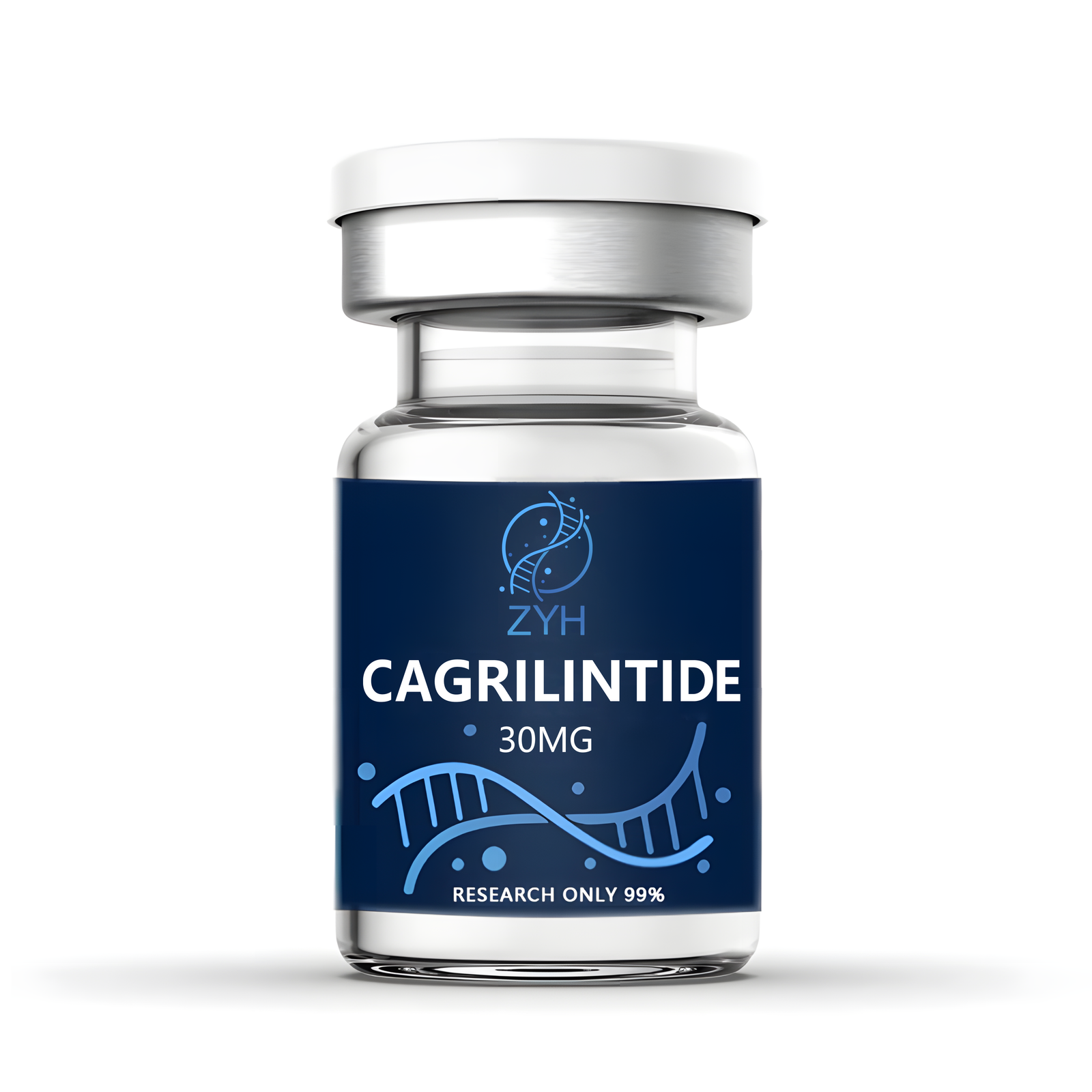
Cagrilintide is a long-acting analogue of amylin, a peptide co-secreted with insulin that plays a role in regulating blood sugar and food intake. This synthetic version has shown promising results in preclinical studies, particularly for the treatment of obesity and type 2 diabetes. Cagrilintide’s mechanism of action goes beyond simple metabolic regulation, as it may offer potential therapeutic benefits for liver disease, cardiovascular conditions, and neurodegenerative disorders such as Alzheimer’s disease. While the data in these areas remain limited, the compound is being actively researched for its broader impact on chronic diseases.
A particularly exciting aspect of Cagrilintide is its synergy with semaglutide. When used in combination, these two compounds appear to work together to enhance and sustain weight loss, offering a promising approach for obesity management. Although early clinical results are promising, further studies and clinical trials are needed to establish the safety, efficacy, and long-term benefits of Cagrilintide in humans.
Obesity and Type 2 Diabetes: Cagrilintide is primarily being studied for its potential in treating obesity and type 2 diabetes. As an amylin analogue, it helps to regulate glucose and lipid metabolism, similar to how natural amylin functions alongside insulin. By promoting satiety and slowing gastric emptying, Cagrilintide can reduce food intake and assist with weight management. These properties make it a valuable addition to the treatment options for obesity and type 2 diabetes, especially when used in combination with other therapies like semaglutide.
Liver Disease and Cardiovascular Health: Emerging research suggests that Cagrilintide may have a role in the treatment of liver disease, particularly non-alcoholic fatty liver disease (NAFLD), which is common in individuals with obesity and type 2 diabetes. Furthermore, early studies indicate potential cardiovascular benefits, though more research is needed to fully understand its role in these areas. Its ability to regulate metabolic processes could help reduce the burden of metabolic diseases on the heart and liver.
Neurodegenerative Disorders: Though still in its early stages, Cagrilintide is being investigated for its potential neuroprotective effects. There is interest in its role in Alzheimer’s disease and other neurodegenerative disorders, as its impact on glucose and lipid metabolism might also extend to the brain. However, data on its neuroprotective potential are limited, and further studies are needed to clarify this application.
Synergy with Semaglutide: One of the most promising aspects of Cagrilintide is its combination with semaglutide. When used together, these two peptides appear to enhance and sustain weight loss by addressing multiple pathways in metabolic regulation. This combination has shown potential for greater effectiveness in obesity management and weight maintenance compared to either compound used alone.
Cagrilintide is a promising long-acting amylin analogue with potential applications in obesity, type 2 diabetes, liver disease, cardiovascular health, and neurodegenerative conditions. While early preclinical and clinical data are encouraging, further studies are essential to confirm its safety, efficacy, and long-term benefits in humans. The synergistic effects with semaglutide offer an exciting avenue for future treatments in metabolic disorders, making it a compound to watch in the coming years.






Reviews
There are no reviews yet.