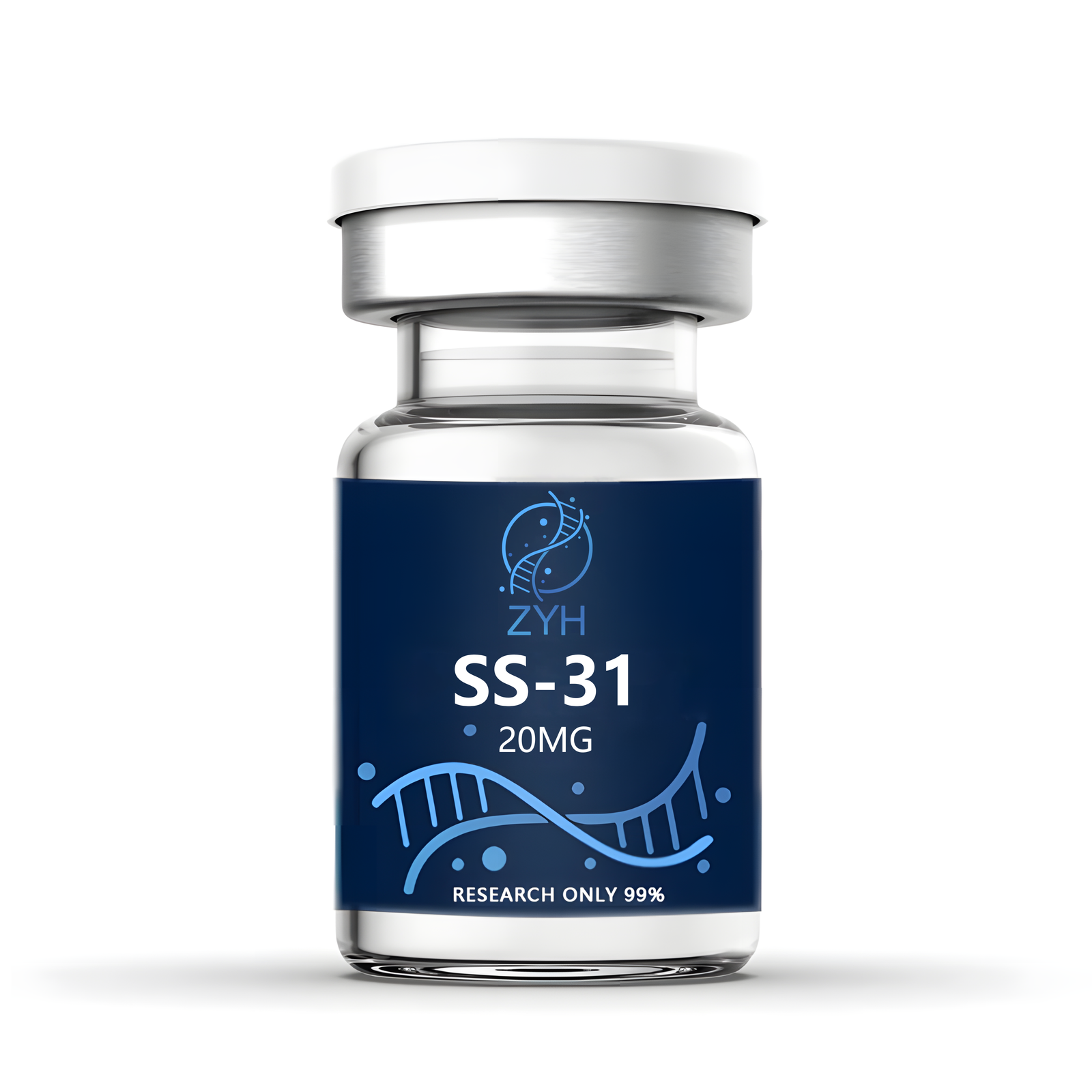
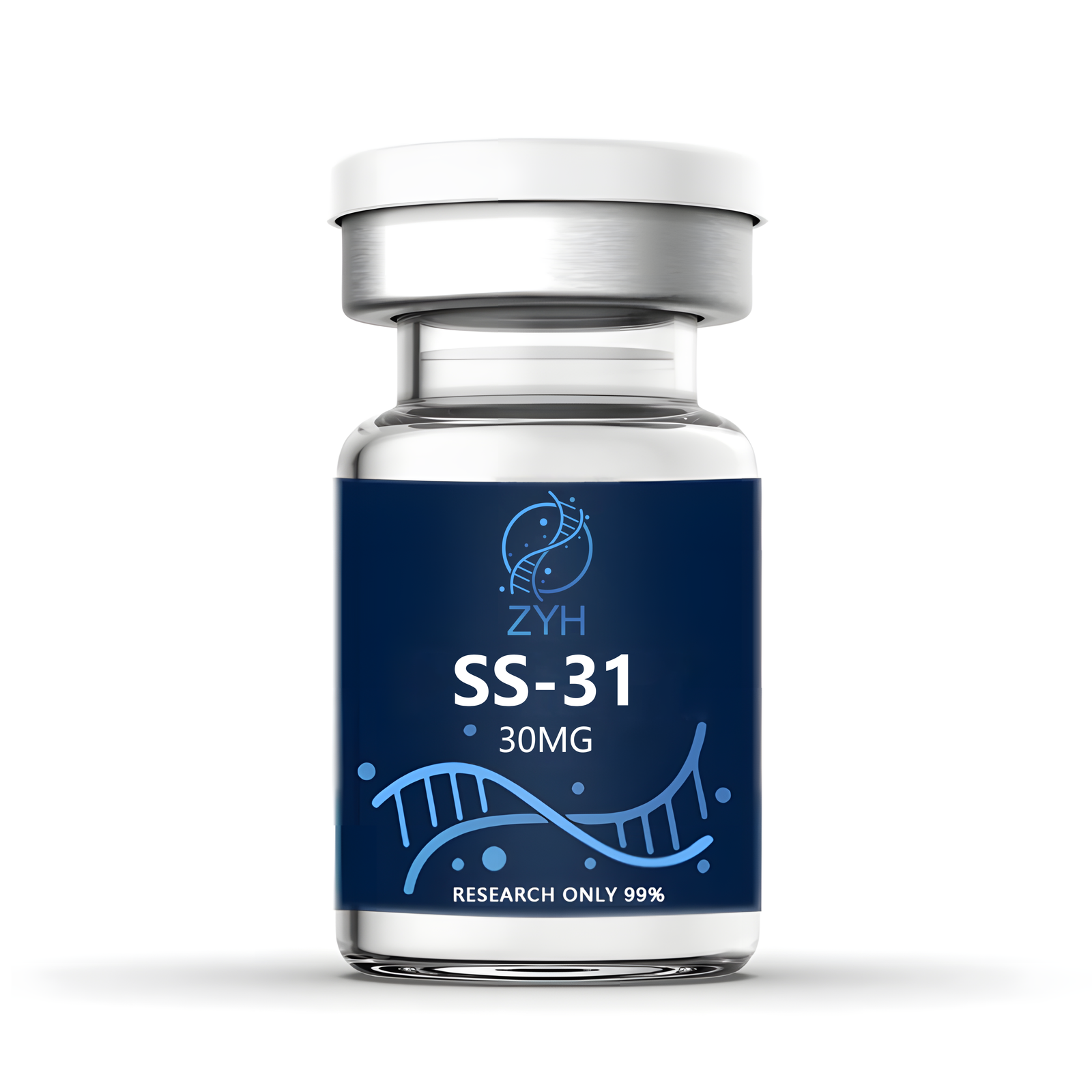
SS-31 is a synthetic peptide known for its ability to enhance mitochondrial function and boost ATP production, which helps to increase cellular energy. By improving the performance of mitochondria, SS-31 plays a crucial role in supporting overall cellular health and combating the effects of oxidative stress, which is a contributing factor in various chronic diseases and age-related conditions.
Enhancing Mitochondrial Function: SS-31 has been shown to directly interact with mitochondria, enhancing their efficiency in producing ATP, the primary energy currency of cells. This makes SS-31 a powerful agent in promoting cellular vitality and energy metabolism, which is essential for maintaining healthy tissue function, particularly in high-energy-demand organs such as the heart and brain.
Reducing Inflammatory Cytokines: One of the key actions of SS-31 is its ability to reduce inflammatory cytokines associated with oxidative stress. Oxidative stress plays a major role in the development of a variety of diseases by causing cellular damage and inflammation. SS-31’s ability to modulate inflammation makes it a promising therapeutic option for conditions where chronic inflammation is a key factor.
Neuroprotection and Neurodegenerative Diseases: Research suggests that SS-31 may have a protective effect on the nervous system, particularly in the context of neurodegenerative diseases like Alzheimer’s and Parkinson’s disease. By reducing oxidative stress and inflammation in brain cells, SS-31 has the potential to slow down the progression of these diseases and improve cognitive function.
Cardiovascular Health: SS-31 has shown potential in protecting the heart and blood vessels from oxidative damage and improving mitochondrial function in cardiovascular cells. Its ability to reduce inflammation and support energy production may help in managing heart disease, including cardiomyopathy and heart failure, by improving heart cell function and reducing damage over time.
Metabolic and Kidney Diseases: SS-31 also holds promise in addressing diabetes and kidney disease, conditions closely linked to mitochondrial dysfunction and chronic inflammation. By enhancing mitochondrial function and reducing inflammation, SS-31 could help improve insulin sensitivity, reduce kidney damage, and slow the progression of metabolic and renal diseases.
SS-31 represents a promising therapeutic agent for a variety of inflammatory and age-related conditions, particularly those related to mitochondrial dysfunction and oxidative stress. Its ability to enhance cellular energy production, reduce inflammatory cytokines, and provide neuroprotection and cardiovascular benefits positions it as a potential treatment for diseases like Alzheimer’s, Parkinson’s, heart disease, diabetes, and kidney disease. Continued research and clinical trials will be essential to fully realize its therapeutic potential and understand its long-term efficacy and safety.






Reviews
There are no reviews yet.